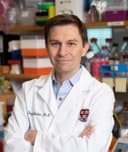
David Sinclair
Professor of Genetics, Longevity Researcher
Harvard Medical School
PhD

“we've tested these side by side which is what a good scientist should do and so far nmn is the winner”
Sinclair has tested NMN and NADH side by side and found NMN to be superior so far.
None of the 20 published studies provided directly compare NMN to NADH supplementation in a head-to-head trial. The literature includes several RCTs and meta-analyses evaluating NMN alone (e.g., PMID…
“under the age of 25, you thought that um supplementation and things like that perhaps were not quite so necessary, at least with regards to I think specifically NMN or NAD boosters and stuff like that.”
For people under approximately 25 years old, NMN or NAD booster supplementation may not be as necessary.
None of the 20 studies in the provided literature base specifically examined NMN or NAD+ supplementation in individuals under 25 years old. The RCTs reviewed (e.g., PMID 36482258, 33888596, 38789831,…
“Supplementation, still NMN, resveratrol, some metformin, uh vitamin D... it hasn't changed since I wrote uh Lifespan 18 months ago.”
David Sinclair personally takes NMN as part of his daily supplementation routine, which has remained unchanged since writing his book Lifespan.
“you take metformin daily and you also take nmn”
Sinclair takes NMN personally.
“the full name if you want to hear it is nicotinamide mononucleotide but it's just a small chemical that the body takes in as a vitamin and turns it into a really important chemical in the body called nad”
NMN (nicotinamide mononucleotide) is a small chemical that the body takes in as a vitamin and turns into NAD, an important chemical in the body.
“NMN is nicotinamide mononucleotide, but on online it's called NMN. Don't confuse that with M&Ms. You will not live longer.”
NMN stands for nicotinamide mononucleotide and is referred to online as NMN.
“yes so nadh and nad are larger molecules uh and nmn is a precursor building block and it's small enough that uh it does get taken up into cells and so that's why i take nmn”
NMN is a precursor to NAD. It is a smaller molecule than NAD or NADH and is small enough to be taken up into cells, which is why Sinclair prefers it.
“if you measure the skin nad levels in a 50 year old like me i'm 52 they would be half the levels of when i was 20 which is not good for metabolism and enzymatic reactions in the body but it's also bad because nad is required for the body to defend itself against aging”
NAD levels in a 50-year-old are approximately half what they were at age 20, which negatively affects metabolism, enzymatic reactions, and the body's ability to defend against aging.
“without nad we're all dead in 30 seconds it's really important it's the molecule of life it is over time the levels decline if you measure the skin nad levels in a 50 year old like me i'm 52 they would be half the levels of when i was 20 which is not good for metabolism and enzymatic reactions in the body but it's also bad because nad is required for the body to defend itself against aging”
Without NAD, we would die within 30 seconds — it is the molecule of life and is essential for metabolism, enzymatic reactions, and the body's defense against aging.
“EPA and DHA and that's been shown to greatly improve memory and counteract depression.”
EPA and DHA omega-3 fatty acids have been shown to greatly improve memory and counteract depression.
The available evidence offers partial but limited support for the claim. The HELFIMED RCT (PMID: 29215971) investigated a Mediterranean-style diet supplemented with fish oil in adults with self-report…
“if you're only meat and you don't eat fish, if you eat animals besides fish, you're not getting a lot of them. And they're they're the building blocks of the brain. So, we need a lot of them.”
If you don't eat fish or seafood, you are not getting enough omega-3 fatty acids, which are building blocks of the brain that the body cannot make itself.
The expert's claim has two components: (1) that non-fish eaters are deficient in omega-3s, and (2) that omega-3s are essential brain building blocks the body cannot synthesize. The second component is…
“the three main ones that people talk about are EPA and DHA. The EPA is the more important one. You want to get at least a gram of that.”
EPA and DHA are the main omega-3s from fish oil sources, with EPA being the more important one, and you want to get at least a gram of EPA.
The claim that EPA and DHA are the primary omega-3s from fish oil is well-established biochemically and is reflected across the studies listed (e.g., the migraine RCT, PMID 39643480, specifically note…
“they've been shown in a number of studies to to help with many different things from wound healing and of course depression.”
Omega-3 fatty acids have been shown to help with wound healing and depression across a number of studies.
The depression component of the claim has moderate direct support: the HELFIMED RCT (PMID 29215971) found that a Mediterranean-style diet supplemented with fish oil improved mental health in adults wi…
“Sometimes people say, get 1.6 grams of this ratio of EPA to DHA, and women about 1.3 grams. And that's been shown and counteract depression.”
Some recommendations suggest men get 1.6 grams of EPA to DHA and women about 1.3 grams, which has been shown to counteract depression.
The HELFIMED RCT (PMID: 29215971) provides moderate-quality evidence that fish oil supplementation combined with a Mediterranean-style diet improved mental health outcomes in adults with depression, o…
“talk to your doctor about it, to take at least a gram of these omega-3 fatty acids every day.”
Sinclair recommends taking at least one gram of omega-3 fatty acids every day.
Several studies in the provided evidence base support benefits of omega-3/fish oil supplementation at approximately 1g or more daily across multiple health domains: an RCT (PMID 36093704) used 1g fish…
“There's no molecule that's perfectly safe. Even fish oil, I think has warnings on it. So, um if you're 20 and you're going to do this for your whole life, that's a greater risk than someone like me who's 50, you could argue.”
Even fish oil has warnings on it, meaning no supplement is perfectly safe, and long-term use starting at a young age carries greater cumulative risk.
The claim that fish oil carries warnings is partially supported: the RCT on fish oil and perioperative bleeding (PMID 30571332) directly investigated a commonly cited safety concern (bleeding risk bef…
“if you're a plant-based person, you can't obviously get as much, you have to focus on other types of food alpha-linolenic acid or ALA, slowly, not efficiently. About 10% of it gets converted by the body”
Plant-based persons cannot get as much EPA and DHA; they must rely on ALA from sources like walnuts and chia seeds, but only about 10% of ALA is converted by the body to EPA/DHA.
None of the 20 published studies provided address the specific mechanistic claim about ALA-to-EPA/DHA conversion efficiency in plant-based individuals. The studies cover fish oil supplementation acros…
“The EPA is the more important one. You want to get at least a gram of that. Sometimes people say, get 1.6 grams of this ratio of EPA to DHA, and women about 1.3 grams.”
EPA is the more important omega-3; one should aim to get at least a gram of EPA, with a recommended ratio of EPA to DHA of 1.6 grams for men and 1.3 grams for women.
None of the 20 studies provided directly address the specific claim that EPA is more important than DHA, nor do they evaluate the precise dosing ratios recommended (1.6g EPA:DHA for men, 1.3g for wome…
“my supplement every night, along with these other components.”
Sinclair takes omega-3 fatty acids as part of his nightly supplement regimen.
The claim is a personal anecdote about David Sinclair's private supplement routine, not a scientific hypothesis that can be evaluated against clinical evidence. The published research (including RCTs…
“it turns out these omega-3s actually form a structural component of the brain. They insert along with other fats in the brain...nerves aren't naked...They're actually wrapped or insulating material. And that's what these fats do.”
Omega-3 fatty acids form a structural component of the brain, inserting into brain membranes along with other fats, and serve as insulating material around nerves.
The expert's claim is a mechanistic statement about omega-3 fatty acids serving as structural components of brain membranes and as insulating material around nerves. None of the 20 studies provided di…
“mackerel, krill, sardines. These are good sources of omega-3s. us the DHAs and the EPAs.”
Mackerel, krill, and sardines are good sources of omega-3s, specifically DHA and EPA.
The expert's claim is a basic nutritional fact — that mackerel, krill, and sardines are good dietary sources of DHA and EPA omega-3 fatty acids. None of the 20 published studies provided address the n…
“you also take um vitamin d which is like one of those powerhouse vitamins that's the one you get from the sun but you can also take an absorbable version right you could i take liquid it's a it's very important it affects a lot of things”
David Sinclair personally takes vitamin D in liquid form, describing it as very important and noting it affects a lot of things.
Sinclair's claim that vitamin D 'affects a lot of things' is broadly consistent with the research provided, which shows vitamin D studied across bone health (PMID 33237064, meta-analysis of RCTs in po…
“a year's supply of vitamin D3 for immune support”
Vitamin D3 is mentioned as supporting immune function.
The systematic review on dietary supplement ingredients for preserving and protecting the immune system in healthy individuals (PMID: 36364865) is the most directly relevant study, as it evaluates sup…
“if you're deficient in vitamin D, they send you off and you should eat eat more salmon”
InsideTracker may identify vitamin D deficiency and recommend eating more salmon as a corrective dietary measure.
None of the 20 published research summaries provided address InsideTracker as a platform, its diagnostic algorithms, or its specific dietary recommendations such as eating salmon for vitamin D deficie…
“if you're deficient in vitamin D, you can be directed towards eating certain foods like fish that have vitamin D”
If deficient in vitamin D, one can be directed toward eating certain foods like fish that contain vitamin D.
The expert's claim is a basic nutritional recommendation — that vitamin D deficiency can be addressed by consuming foods rich in vitamin D, such as fish. While this is a widely accepted dietary princi…
“vitamin C and zinc citrate for immune support”
Athletic Greens contains zinc citrate, which supports immune function.
The claim that zinc supports immune function has meaningful support in the literature provided. The systematic review (PMID: 36364865) specifically evaluated dietary supplement ingredients for preserv…
“I've been drinking Athletic Greens for a number of years now as a way to cover all my nutritional bases. I'm often traveling and sometimes my diet just isn't the best.”
Sinclair personally consumes Athletic Greens daily, which includes zinc citrate, as a way to cover his nutritional bases while traveling.
Sinclair's claim is a personal anecdote about his own dietary habit of consuming a multivitamin/greens supplement containing zinc citrate for nutritional coverage while traveling. The research provide…
“They also have vitamin C and zinc citrate for immune support. I've been drinking Athletic Greens for a number of years now as a way to cover all my nutritional bases.”
David Sinclair personally uses Athletic Greens daily, which contains zinc citrate, as a way to cover his nutritional bases and get the vitamins and minerals he needs to stay healthy.
Sinclair's claim is a personal anecdote about using Athletic Greens (containing zinc citrate) for general nutritional coverage. None of the provided studies directly evaluate Athletic Greens as a prod…
“anti type two diabetes. does have wonderful effects and in some clinical trials on dozens of people that's being tested.”
Berberine has anti-type-2-diabetes effects and wonderful effects shown in some clinical trials on dozens of people.
The claim that berberine has anti-type-2-diabetes effects is directly supported by multiple studies in the evidence base, including an RCT (PMID: 18442638) comparing berberine to metformin in 36 newly…
“this one's really interesting because it's a natural and commonly available one that you can try at home. Of course, talk to your doctor first though.”
Berberine is a natural and commonly available supplement that can be tried at home, though one should talk to their doctor first.
The research evidence confirms that berberine is a naturally derived supplement with documented effects on metabolic parameters including glucose, lipids, and obesity indices, as demonstrated across m…
“This is a molecule from the plant world, bark and roots. You can find it's yellow substance. Again, it's fairly insoluble. So you if you want to take it, take it with some food, yogurt, olive oil, this kind of stuff.”
Berberine is a molecule derived from the plant world (bark and roots), is a yellow substance, and is fairly insoluble, so it should be taken with food such as yogurt or olive oil.
The claim that berberine is derived from plant bark and roots and is a yellow-colored isoquinoline alkaloid is consistent with background information in the reviews present (e.g., PMID 36561763 descri…
“if I took berberine, it works very similarly of the AMPK pathway and the mTOR pathway, et cetera, in particular carbohydrates”
Berberine works very similarly to Metformin via the AMPK pathway and the mTOR pathway, particularly regarding carbohydrates.
The RCT by Zhang et al. (PMID: 18442638) directly compared berberine to metformin in type 2 diabetes patients, finding comparable hypoglycemic efficacy, which supports functional similarity between th…
“berberine does have some of the similar side effects of Metformin. We don't know different groups of people might be different, but you're looking at diarrhea, constipation, gas, potentially upset stomach.”
Berberine may share some of the same gastrointestinal side effects as metformin, including diarrhea, constipation, gas, and potentially upset stomach.
The provided research does not directly and systematically document berberine's GI side effect profile (diarrhea, constipation, gas, upset stomach) in a way that explicitly mirrors metformin's profile…
“if I took berberine, it works very similarly of the AMPK pathway and the mTOR pathway, et cetera, in particular carbohydrates, and kind of get a headache, like almost hypoglycemic.”
Berberine works on the AMPK pathway and the mTOR pathway and particularly affects the metabolism of carbohydrates, and taking it can cause a feeling similar to hypoglycemia.
The claim that berberine activates AMPK and affects carbohydrate metabolism is mechanistically plausible and consistent with findings from multiple RCTs and reviews in the provided literature. The RCT…
“There are some human studies that exist, clinical trials showing that it increases insulin sensitivity. You have to take high doses.”
Human clinical trials show that berberine increases insulin sensitivity, but it requires high doses.
The claim that berberine improves insulin sensitivity is supported by multiple studies in the evidence base. The RCT (PMID: 18442638) demonstrated berberine's hypoglycemic efficacy comparable to metfo…
“there's a natural version of metformin, which is known as berberine, which has a lot of clinical data as well, that um has benefits as well, including lowering of blood glucose.”
Berberine is a natural alternative to metformin that works on some of the same pathways, specifically activating AMPK, and has clinical data supporting benefits including lowering of blood glucose.
The claim that berberine lowers blood glucose is directly supported by the RCT (PMID 18442638), which found berberine comparable to metformin (0.5g three times daily) in glycemic control in 36 newly d…
“kind of get a headache, like almost hypoglycemic”
Berberine can cause near-hypoglycemic effects such as headaches.
The RCT by Zhang et al. (PMID: 18442638) demonstrated that berberine has hypoglycemic efficacy comparable to metformin in type 2 diabetes patients, which mechanistically supports the possibility of ne…
“it's been remarkable what's been found in animals and even in people that it can mimic the effects of Metformin. Specifically, what it does is it again it binds... the activation of AMPK and increased mitochondrial energy”
Berberine has been found in animals and human studies to mimic the effects of metformin, activating AMPK and increasing mitochondrial energy.
The provided literature supports berberine's metabolic effects (glucose and lipid lowering) in human RCTs, including a pilot RCT (PMID: 18442638) comparing berberine directly to metformin at 0.5g thre…
“had access to Metformin, I was taking berberine. poor man's Metformin.”
Sinclair personally took berberine when he did not have access to Metformin, describing it as a 'poor man's Metformin.'
The claim that berberine functions similarly to Metformin has some biological basis in the literature. The RCT (PMID: 18442638) directly compared berberine to Metformin (0.5g three times daily) in 36…
“So I think it's likely to be good.”
Sinclair thinks berberine is likely to be good based on animal data.
Sinclair's hedged claim that berberine is 'likely to be good based on animal data' is partially supported by the available evidence, though notably the published research provided includes substantial…
“Yeah, the clinical studies, it's at least a gram. There's one that worked with 2 g, but it does seem to work just like Metformin in improving the body's sensitivity to insulin and lowering the blood glucose levels”
Clinical studies on berberine use at least 1 gram per day, with one study using 2 grams per day, and it improves insulin sensitivity and lowers blood glucose levels.
The claim that clinical studies use berberine at doses of at least 1 gram per day is supported by PMID 18442638, an RCT in type 2 diabetes patients that used 0.5g three times daily (1.5g/day), and PMI…
“energetics in the body, just like AMPK and Metformin does.”
Berberine affects energetics in the body just like AMPK and Metformin do.
The provided literature supports berberine's functional similarities to metformin in glucose and lipid metabolism. The RCT (PMID: 18442638) directly compared berberine to metformin (0.5g three times d…
“In mice, berberine will extend the lifespan of mice treated with chemotherapy and have a pretty big lifespan extension of normally aged mice. That's also true in fruit flies.”
Berberine extends the lifespan of mice treated with chemotherapy and produces substantial lifespan extension in normally aged mice, as well as in fruit flies.
None of the 20 published research summaries provided address lifespan extension in mice treated with chemotherapy, lifespan extension in normally aged mice, or longevity studies in fruit flies (Drosop…
“there are two of choice, and I cycle between them. Serena and I do that.”
Sinclair cycles between metformin and berberine personally, along with Serena (his co-host).
The expert's claim is a personal anecdote about his own behavior (cycling between metformin and berberine), not a scientific assertion about efficacy or safety. The published research provided covers…
“it to rats and mice and seen that they are very healthy, especially on a high-fat diet.”
Berberine has been given to rats and mice with results showing they are very healthy, especially on a high-fat diet.
The expert's claim specifically references animal (rat and mouse) studies showing berberine's benefits, particularly on high-fat diets. None of the 20 published research summaries provided above inclu…
“He said, if ever, I'm going to overeat like a Thanksgiving meal or something, I take berberine, those were his words.”
Ori Hofmekler reportedly takes berberine before overeating (e.g., a Thanksgiving meal) to blunt the effects of consuming large quantities of food.
The claim is a passing anecdote about a specific individual (Ori Hofmekler) using berberine acutely before overeating to blunt metabolic effects of a large meal. None of the provided studies examine t…
“if ever, I'm going to overeat like a Thanksgiving meal or something, I take berberine, those were his words.”
An acquaintance (Ori) reported taking berberine before a large meal like Thanksgiving to manage overeating.
The claim is an anecdotal passing mention about an individual taking berberine before a large meal to manage overeating — a very specific real-world use case not directly studied in the provided liter…
“vitamin C is is good for overall body's health. It's essential for as an antioxidant.”
Vitamin C is good for overall body health and is essential as an antioxidant.
The claim that Vitamin C is beneficial for overall health and functions as an antioxidant is broadly supported across multiple study types in the provided literature. RCTs (PMIDs 34476568, 38010274, 2…
“are not going to hurt you unless you take mega doses...on these antioxidants, vitamin C, vitamin E, don't overdo it.”
Antioxidants like vitamin C will not hurt you unless you take mega doses, but you should not overdo it.
The claim that vitamin C is generally safe but should not be taken in mega doses is broadly consistent with the research provided, though the studies above do not directly address toxicity or upper sa…
“are not going to hurt you unless you take mega doses. on these antioxidants, vitamin C, vitamin E, don't overdo it.”
Taking antioxidants like vitamin C won't hurt you unless you take mega doses.
The claim that vitamin C supplementation is generally safe at moderate doses receives indirect support from the literature. Multiple RCTs and meta-analyses (e.g., PMIDs 34476568, 38010274, 39447383, 3…
“I've been drinking Athletic Greens for a number of years now as a way to cover all my nutritional bases. I'm often traveling and sometimes my diet just isn't the best...they also have vitamin C and zinc citrate for immune support.”
David Sinclair drinks Athletic Greens daily, which contains vitamin C and zinc citrate for immune support, as a way to cover his nutritional bases while traveling.
The claim is a personal anecdote about a daily supplement habit, not a scientific assertion requiring direct evidence. However, the underlying premise—that vitamin C and zinc support immune function—h…
“there's probably more benefit from retinol or vitamin C in terms of um protecting your skin.”
Vitamin C offers more benefit than collagen for protecting the skin.
The available literature does not directly compare vitamin C versus collagen supplementation for skin protection in a head-to-head manner. PMID 31627309 (RCT) demonstrates benefits of a collagen suppl…
“Magnesium? - That's good for sleep.”
Magnesium is good for sleep.
The claim that magnesium is good for sleep is partially supported by the evidence. The meta-analysis (PMID: 33865376) specifically examined oral magnesium supplementation for insomnia in older adults…
“haven't had a need to do it. during the day and coffee I don't get the shakes. So I don't fix what's not broken.”
Sinclair does not personally use magnesium (or electrolytes including magnesium) as a supplement during fasting, as he has not found a need for it.
Sinclair's claim is a personal anecdote about his own supplement habits during fasting, which is inherently not testable against population-level research. None of the 20 studies listed address magnes…
“one of the first things to worry about if you're just focusing on plants only is a deficiency in vitamin B12... if you're a vegan or a vegetarian, you're going to be lacking in vitamin B12 probably.”
People on plant-based diets are likely to be deficient in vitamin B12.
Multiple studies in the provided literature directly support the claim that individuals on plant-based or vegan diets are at elevated risk for vitamin B12 deficiency. The review on 'Vitamin B12 among…
“If you have low levels of B12, it's known that you have deficiency in the ability to methylate DNA, and that will mess up your epigenome, and very likely accelerate the clock in a way that causes aging.”
Low levels of B12 cause a deficiency in the ability to methylate DNA, which messes up the epigenome and likely accelerates the aging clock.
The mechanistic link between B12 and methylation is supported by several reviews in the evidence base. PMID 27916823 confirms B12 acts as a cofactor in one-carbon transfers through methylation and mol…
“B vitamins, especially if you're on a plant-based diet, but for everybody, don't be deficient in these.”
B vitamins, especially B12, should not be deficient in anyone — not just those on plant-based diets.
The research broadly supports the importance of avoiding B12 deficiency across the general population, not solely in plant-based dieters. PMID 40961307 notes that B12 deficiency affects approximately…
“the best way to do that is to make sure B12 levels are optimal... homocysteine levels... it's been shown to go up [with] disease and dementia.”
Ensuring optimal B12 levels is the best way to keep homocysteine levels down, as elevated homocysteine is associated with heart disease and dementia.
The association between elevated homocysteine and heart disease/dementia risk has broader scientific support, and B12's role in homocysteine metabolism is well-established biochemically—reflected in r…
“there are a lot of studies that have shown that deficiencies in B12 accelerate a variety of diseases. Heart disease is the major one, but also dementia in the brain.”
Deficiencies in B12 have been shown in studies to accelerate a variety of diseases, particularly heart disease and dementia.
The provided literature supports a link between B12 deficiency and neurological/cognitive harm, with the systematic review on vitamin supplementation and dementia (PMID 35268010) and the B12 deficienc…
“measure my B vitamins.”
Sinclair measures his own B vitamin levels to monitor his health.
The published research provided focuses on clinical outcomes of vitamin B12 supplementation, deficiency prevalence, and therapeutic use in specific populations — none of it addresses personal health m…
“L-theanine is another one that people try. I've used it. Seems to help me.”
L-theanine is a supplement that people try for sleep, and Sinclair has used it himself and finds it seems to help him.
The claim that L-theanine may help with sleep is partially supported by published research. A systematic review and meta-analysis (PMID: 40056718) specifically evaluated L-theanine's effects on sleep…
“It'd be like taking melatonin to wake up and cortisol before bed. It's just not in line with the natural circadian rhythm.”
Taking melatonin to wake up would be counterproductive, analogous to taking a sleep-inducing substance at the wrong time relative to the circadian rhythm.
The expert's mechanistic claim is supported by the literature's consistent characterization of melatonin as a chronobiotic agent that regulates circadian rhythm rather than simply inducing sedation. M…
“I don't think um I've seen anything amazing about melatonin in years. And when you start to see big gap in discoveries in science, you start to wonder is it really reproducible or not?”
Sinclair has not seen any impressive research on melatonin for longevity in recent years, and the gap in discoveries makes him question reproducibility.
Sinclair's claim that impressive longevity-specific melatonin research is lacking finds partial support in the provided literature: none of the 20 studies above directly investigates melatonin's effec…
“one thing I can say for sure is that collagen's made up of a lot of amino acids. You need to get the right ratio of of collagen amino acids from those products.”
Collagen is made up of a lot of amino acids, and you need to get the right ratio of collagen amino acids from collagen products.
“there's a big debate about whether these products are working by being broken down and rebuilt or actually make it into the body as an intact peptide of string of amino acids. And I would say the jury's well and truly still out on those things.”
There is debate about whether ingested collagen supplements work by being broken down and rebuilt, or by making it into the body as an intact peptide, and the jury is still out.
“it's an antioxidant stimulates collagen protects tissues against inflammation”
The peptide GHK copper stimulates collagen production.
“it's when you're when we're young it's the most abundant protein in the body. It holds together our bones and our skin... it starts to attenuate after our mid-20s.”
Collagen is the most abundant protein in the body when young, holds together bones and skin, but its production starts to decline after our mid-20s.
“when you wear out the joint and there's not a lot of collagen injections of stem cells into those joints seems to be at least therapeutic for a short amount of time”
When joints wear out and there is not a lot of collagen, injections of stem cells into those joints appears to be at least temporarily therapeutic.
“one of the benefits, certainly is involving the COL1A1 gene that makes the protein collagen, which we've known for over 50 years to be an important component of younger skin making it more flexible and thicker.”
Collagen is made by the COL1A1 gene and has been known for over 50 years to be an important component of younger skin, making it more flexible and thicker.
“these retinoids have been shown for many years to boost the production of collagen. That that's clear.”
Retinoids have been shown for many years to boost the production of collagen.
“they're really important for the plumpness of the skin and the ability of it to flex. So, when you do that, this is collagen, but it's also it's HA involved.”
Collagen is involved in the plumpness and flexibility of skin.
“What we know right now is that there's probably more benefit from retinol or vitamin C in terms of um protecting your skin.”
There is probably more benefit from retinol or vitamin C than from collagen supplements in terms of protecting your skin.
“there's no harm in taking collagen and probably what it's making sure is that you don't have any deficiencies in the amino acids you need to make this most abundant protein in the body.”
As long as you pick a safe collagen product, there is likely not a lot of harm in taking collagen, and it probably ensures you don't have deficiencies in the amino acids needed to make collagen.
“Because the B vitamins are the ones that make sure you have the the methyls that are added and subtracted from the DNA that controls the DNA methylation clock.”
B vitamins control DNA methylation by providing the methyl groups added and subtracted from DNA, which regulates the DNA methylation clock.
“the main reason I think what's going on is that aging is being accelerated when you don't have enough of these B vitamins.”
Sinclair believes that aging is accelerated when you don't have enough B vitamins.
“the B vitamins are one are the ones that make sure you have the the methyls that are added and subtracted from the DNA that controls the DNA methylation clock”
B vitamins ensure you have the methyl groups needed for DNA methylation, which controls the DNA methylation clock.
“And the best way to do that is to make sure B12 levels are optimal.”
The best way to keep homocysteine levels down is to ensure B12 levels are optimal.
“one of the first things to worry about if you if you're just focusing on plants only is a deficiency uh in vitamin B12.”
One of the first nutritional concerns for those on a plant-based diet is deficiency in vitamin B12.
“measure my B vitamins.”
Sinclair personally measures his B vitamin levels.
“B vitamins, especially if you're on a plant-based diet, but for everybody, don't be deficient in these.”
B vitamins (especially B12, B6, and B3) are important for everyone, but particularly for those on a plant-based diet, who risk deficiency.
“studies that have shown accelerate a variety of diseases, heart disease is the major one, but also dementia in the brain. think what's going on is that aging is being accelerated of these B vitamins.”
Low levels of B vitamins are associated with accelerated aging and a variety of diseases, including heart disease and dementia.
“And the result of low B vitamins is an elevated level of homocysteines. - Well, that's a markers, yeah, exactly. measures homocysteine levels because it's been shown to go up disease and dementia.”
Low B vitamin levels result in elevated homocysteine levels, which are a marker associated with heart disease and dementia.
“there are a lot of studies that have shown that deficiencies in B12 accelerate a variety of diseases. Heart disease in is the major one, but also dementia in the in the brain.”
Studies have shown that deficiencies in B12 accelerate heart disease and dementia.
“If you have low levels of B12, it's known that you have deficiency in the ability to methylate DNA, and that will mess up your epigenome and very likely accelerate the clock in a way that causes aging.”
Low levels of B12 are known to cause deficiency in the ability to methylate DNA, which disrupts the epigenome and very likely accelerates the aging clock.
“when there's lots of these three branched chain amino acids particularly leucine it will be activated. And this mTOR the role is to say wow I've got lots of amino acids let's build muscle, let's repair cells, let's do all good stuff”
Leucine (along with isoleucine and valine) activates mTOR, which signals the body to build muscle and repair cells.
“try to focus on plant based food more often so that there are periods during the week when there are aren't as many leucine, isoleucine and valine molecules floating around in your body so that you have a chance for your mTOR down regulation to recycle proteins”
Having periods during the week with fewer leucine, isoleucine, and valine molecules allows mTOR to downregulate and activate autophagy, which is beneficial for recycling proteins and may help prevent accumulation of damaged proteins as seen in Alzheimer's disease.
“lack of amino acids, leucine, lysine and valine. mTOR and it's that up sirtuin, down MTOR that is hugely beneficial and turns on all of the body's defenses, the pro chewing up the old proteins, giving us more energy, repairing cells, all of that.”
Lack of amino acids including leucine during fasting suppresses mTOR and upregulates sirtuins, which is hugely beneficial and activates the body's defenses.
“there are three ones that are particularly important to know about. It's leucine, isoleucine and valine also known as the branched chain amino acids. And these are used by the body to sense protein intake. And the sensor is this protein complex we talked about called mTOR.”
Leucine, isoleucine, and valine (branched chain amino acids) are sensed by the body to detect protein intake, with mTOR as the sensor.
“And when there's lots of these three branched chain amino acids particularly leucine it will be activated. And this mTOR the role is to say wow I've got lots of amino acids let's build muscle, let's repair cells, let's do all good stuff”
When leucine (and other branched chain amino acids) are abundant, mTOR is activated, signaling the body to build muscle and repair cells.
“when I think of meat, thinks amino acids, right? I think amino acids... including leucine... the first step is acid in your stomach is going to break down that meat into amino acids and then your your microbiomes can utilize a lot of them and then those amino acids are also going to leach into your bloodstream.”
Amino acids including leucine from meat are sensed by mTOR after digestion and absorption into the bloodstream.
“because of leucine's effects there are many people, particular fitness communities to ingest more leucine to maximize their wellness cases muscle growth but also just wellness... give you immediate benefits. You'll bulk up more. You'll feel better immediately, but based on the research, it's at the expense of”
Ingesting more leucine to maximize muscle growth or wellness, as promoted in fitness communities, may provide immediate benefits but at a long-term expense according to the research.
“first things to worry about if you're just focusing on plants only is a deficiency in folic acid.”
A deficiency in folic acid is one of the first things to worry about if you are eating a plant-based diet.
“This is the supplementation that they give to pregnant women, 'cause they're often low in folic acid.”
Folic acid supplementation is given to pregnant women because they are often low in folic acid.
“And I know this from human clinical trials. I'm not just making this stuff up.”
The claim that curcumin must be taken with a fatty substance for absorption is based on human clinical trials, not just speculation.
“all these molecules, the polyphenols that come from plants, quercetin, fisetin, um resveratrol, even curcumin, uh especially curcumin, they're like brick dust. They don't they don't get absorbed. They're they're they're crunchy. So, you have to mix them with something, olive oil or yogurt, so that they they get absorbed.”
Curcumin is a polyphenol derived from plants that has very poor absorption on its own, and must be mixed with a fatty substance like olive oil or yogurt to be absorbed properly.
“and other supplements of course it's in curcumin. These are crunchy things, that is not going to get through your gut.”
Curcumin should be taken with a fatty substance such as olive oil or yogurt to ensure it gets through the gut and is absorbed.
“the DHEA this hormone that some people take for longevity”
Some people take DHEA for longevity purposes.
“DHEA a hormone that is depleted during aging”
DHEA is a hormone that becomes depleted during aging.
“he realized if he could include DHEA a hormone that is depleted during aging as well as metformin he could mitigate the negative effects of growth hormone”
DHEA was included in Greg Fahey's triple treatment to help mitigate the negative effects of growth hormone on blood sugar.
“Greg also showed actually in an experiment that he did on himself the DHEA this hormone that some people take for longevity can also control blood glucose levels”
DHEA can help control blood glucose levels, as shown by Greg Fahey in an experiment he did on himself.
“what he showed after a year of this treatment was that the epigenetic clock measured by Horvath...reset in a way that was calculated to take their blood biomarkers back, the blood clock back two and a half years on average”
The combination of growth hormone, DHEA, and metformin used for one year was associated with an epigenetic clock reversal of approximately two and a half years in blood biomarkers.
“The metformin and the DHEA prevented glucose spikes and type two diabetes.”
In the TRIIM trial, DHEA combined with metformin and growth hormone helped prevent glucose spikes and type 2 diabetes.
“by cutting back on carbohydrates, what you're actually doing is flipping a switch that tells your body to start producing these molecules as an alternative energy source besides glucose.”
Cutting back on carbohydrates flips a switch that tells the body to start producing ketones as an alternative energy source besides glucose.
“a 2025 randomized placebo-controlled trial tested Ketone IQ in healthy college-age adults. They performed 10-second sprints on stationary bikes. Each participant consumed half a gram of R-1,3-butanediol per kilogram of body weight per day for a week. Amazingly, Ketone IQ improved peak power by 10% and average power by 16%”
A 2025 randomized placebo-controlled trial found that Ketone IQ (R-1,3-butanediol) at 0.5 grams per kilogram of body weight per day for one week improved peak power by 10% and average power by 16% in healthy college-age adults performing sprint exercises.
“I'd like to know amino acid levels, ketones, um inflammatory molecules, sex hormones if possible.”
Sinclair expresses interest in measuring ketone levels continuously via a wearable device.
“a study published in Alzheimer's and dementia asked what fuel can the aging brain still use. As cognitive impairment progressed, the researchers found that the brain became less able to use glucose, its usual fuel. And what actually happened was that ketone uptake remained relatively preserved. That's really important because it suggests that even when the aging brain struggles to use sugar for energy, it can probably still use ketones as the alternative fuel.”
A 2018 study published in Alzheimer's and Dementia found that as cognitive impairment progressed, the brain became less able to use glucose but ketone uptake remained relatively preserved, suggesting the aging brain may still use ketones as an alternative fuel even when it struggles to use glucose.
“Ketone IQ is a drink whose active ingredient is a ketone precursor called R13 butin dial. Now you don't have to remember that. What's interesting is that your liver converts the drink into beta hydroxybutyrate which your brain and your muscle can use for energy.”
Ketone IQ's active ingredient is a ketone precursor (R-1,3-butanediol) that the liver converts into beta-hydroxybutyrate, which the brain and muscles can use for energy.
“I've long been interested in how fasting may affect brain health. And you've likely heard of ketones in the context of the ketogenic diet or in fasting.”
Sinclair has long been interested in how fasting may affect brain health, in the context of ketones.
“in 2021, a randomized trial testing the effects of a ketone on adults with obesity showed improved processing speed, improved working memory, and more blood flow in the brain, which is increasingly important as you get older.”
A 2021 randomized trial found that a ketone given to adults with obesity improved processing speed, working memory, and brain blood flow.
“a study from 2022 where researchers gave participants ketone monoesters before a soccer match and measured their reaction time and other aspects of cognitive performance.”
A 2022 study found that giving participants ketone monoesters before a soccer match improved reaction time and other aspects of cognitive performance.
“In 2012, for example, the first study of its kind showed that consuming an exogenous ketone raises blood beta hydroxybutyrate levels to that typically seen during a long fast or a ketogenic diet.”
A 2012 study showed that consuming an exogenous ketone raises blood beta-hydroxybutyrate levels to those typically seen during a long fast or ketogenic diet.
“haven't had a need to do it. during the day and coffee I don't get the shakes. So I don't fix what's not broken.”
David Sinclair does not personally use electrolytes during fasting, as he does not experience symptoms like shakiness that would prompt him to do so.
“the bpc-157 again can be good for for weight loss apparently”
BPC-157 may be beneficial for weight loss
“again these are all pretty much experimental they've been shown to be effective in mice but still we have a long way to go before we know if they're truly effective in humans and they're there we always need placebo-controlled double-blind clinical studies which are underway”
BPC-157, like other peptides in this category, is largely experimental — shown to be effective in mice but not yet proven effective in humans, and still awaiting proper placebo-controlled double-blind clinical studies
“bpc157 is used with somax and cerebellisin together”
BPC-157 is used in combination with Semax and Cerebrolysin to combat fatigue and boost the immune system
“it also stabilizes changes to the epigenome which as you know is one of the major causes of aging.”
Spermidine also stabilizes changes to the epigenome, which is one of the major causes of aging.
“There've been a number of human studies on spermidine uh particularly revolving around enhancing memory and dealing with memory loss in older Americans. That's true. We don't know a lot about aging itself but cognition has greatly improved in a number of studies.”
Human studies on spermidine have shown enhancement of memory and improvement in memory loss in older individuals.
“You can buy it now. It's There's a a company that makes it in pure form, very low levels of gluten.”
Spermidine is available to purchase in pure form with very low levels of gluten.
“There've been a number of human studies on spermidine uh particularly revolving around enhancing memory and dealing with memory loss in older Americans. That's true. We don't know a lot about aging itself but cognition has greatly improved in a number of studies.”
Human studies on spermidine have shown that cognition, particularly memory, has greatly improved in a number of studies, though less is known about its effects on aging itself.
“if you give spermidine to mice either when they're young or even late in life, they live longer and they have better heart function and other youthful capacities.”
When given to mice either when young or late in life, spermidine extends lifespan and improves heart function and other youthful capacities.
“we're getting it from wheat germ. It's a lot easier. It's much more abundant. You can also find it in soy products.”
Spermidine is sourced from wheat germ and can also be found in soy products.
“we know it extends lifespan in yeast and flies and worms. And even mice.”
Spermidine extends lifespan in yeast, flies, worms, and mice.
“Spermidine. Definitely spermidine,...”
Sinclair takes spermidine daily as part of his morning supplement routine.
“spermidine, which is also uh working on this autophagy process... One is it stimulates autophagy just like rapamycin does in the mTOR pathway.”
Spermidine works on the autophagy process, similar to rapamycin acting on the mTOR pathway.
“In just the last few months I've added that to my protocol and we'll have to see how my numbers look on InsideTracker.”
Sinclair has recently added spermidine to his personal supplement protocol and is testing it out to see how his numbers look.
“The one that stands out for me is the one by Schwartz et al 2018. They were giving people 1.2 g per day over 3 months and there was significant enhancement of memory.”
In the Schwartz et al. 2018 study, giving people 1.2 g of spermidine per day over 3 months resulted in significant enhancement of memory.
“The one that stands out for me is the one by Schwartz et al 2018. They were giving people 1.2 g per day over 3 months and there was significant enhancement of memory.”
A study by Schwartz et al. 2018 gave people 1.2 g of spermidine per day over 3 months and found significant enhancement of memory.
“the polyphenols that come from plants, quercetin, fisetin, um resveratrol, even curcumin, uh especially curcumin, they're like brick dust. They don't they don't get absorbed. They're they're they're crunchy. So, you have to mix them with something, olive oil or yogurt, so that they they get absorbed. And I know this from human clinical trials.”
Quercetin, like resveratrol and other polyphenols, is poorly absorbed and must be mixed with olive oil or yogurt to improve absorption.
“And that's what fisetin and quercetin appear to do. They do uh in the dish and in mice.”
Quercetin's senolytic effects have been demonstrated in cell cultures and in mice.
“And together, those two molecules are potent killers of senescent cells. And those have been put into mice and into humans where they are showing really remarkable effects in treating age-related diseases.”
Quercetin combined with dasatinib are potent killers of senescent cells, showing remarkable effects in treating age-related diseases in both mice and humans.
“That was discovered first as a senolytic by Jim Kirkland at the Mayo Clinic who combined it with a drug called dasatinib. And together, those two molecules are potent killers of senescent cells.”
Quercetin was discovered as a senolytic by Jim Kirkland at the Mayo Clinic, who combined it with dasatinib, and together the two molecules are potent killers of senescent cells.
“we've had some randomized controlled trials with humans and quercetin. The effects are Uh reduces uh liver steatosis, a fatty liver, uh as well as other uh effects like inflammation in the body.”
Randomized controlled trials in humans with quercetin have shown it reduces liver steatosis (fatty liver) and inflammation in the body.
“I've added um quercetin, uh which is a molecule related to resveratrol, which is also uh suppresses the activity of senescent cells.”
David Sinclair personally takes quercetin as part of his supplement regimen.
“That was discovered first as a senolytic by Jim Kirkland at the Mayo Clinic who combined it with a drug called dasatinib.”
Quercetin was first identified as a senolytic by Jim Kirkland at the Mayo Clinic, who combined it with the drug dasatinib.
“We've had some randomized controlled trials with humans and quercetin. The effects are Uh reduces uh liver steatosis.”
There have been randomized controlled trials with quercetin in humans, with effects including reduction of liver steatosis.
“There were others, quercetin, fisetin, which are actually now used by others for longevity. But resveratrol got most of the attention because it's found in red wine.”
Quercetin was among the original molecules identified as sirtuin activators in early yeast experiments, alongside resveratrol and fisetin.
“You can actually see that the number of senescent cells in the body goes away when you treat with quercetin and dasatinib.”
Treatment with quercetin and dasatinib visibly reduces the number of senescent cells in the body.
“They are what are called senolytic. Kill senescent cells... And that's what fisetin and quercetin appear to do.”
Quercetin is senolytic — it kills senescent cells.
“those have been put into mice and into humans where they are showing really remarkable effects in treating age-related diseases.”
Quercetin combined with dasatinib has shown remarkable effects in treating age-related diseases in both mice and humans.
“quercetin, uh which is a molecule related to resveratrol, which is also uh suppresses the activity of senescent cells.”
Quercetin suppresses the activity of senescent cells.
“What's likely happening is that resveratrol's turning on the sirtuin activity, which then turns on antioxidant enzymes, but a lot of other good things, revving up metabolism, increasing blood flow, getting oxygenation into the tissue as well.”
Resveratrol likely works by turning on sirtuin activity, which then turns on antioxidant enzymes, revs up metabolism, increases blood flow, and improves oxygenation into tissue.
“There is one antioxidant that seems to work pretty well for longevity, and that's resveratrol.”
Resveratrol is one antioxidant that seems to work pretty well for longevity, unlike most other antioxidants that have shown very few results.
“what we discovered and patented in my lab is that resveratrol boosts the HAS2 which makes the enzyme that makes those strands of HA.”
Resveratrol boosts HAS2, the enzyme that makes hyaluronic acid strands, which is relevant for skin care.
“That's the mix your resveratrol in, right? Yeah, cuz the all these molecules, the polyphenols that come from plants...you have to mix them with something, olive oil or yogurt, so that they they get absorbed.”
Sinclair personally mixes resveratrol into yogurt in the morning to improve its absorption.
“if you have resveratrol with a bit of food and fatty food, you get five times the levels in the blood.”
Taking resveratrol with a small amount of fatty food results in five times higher blood levels.
“And I know this from human clinical trials. I'm not just making this stuff up.”
The absorption-enhancing effect of taking resveratrol with fatty food is supported by human clinical trials.
“resveratrol is probably not working primarily through its antioxidant activity. It's pretty weak as an antioxidant.”
Resveratrol is probably not working primarily through its antioxidant activity — it is pretty weak as an antioxidant. Instead, it activates the body's defenses and mimics adversity.
“I don't understand people who say, 'Oh, I don't want to take take resveratrol cuz we don't have any proof that it works.' Well, dude, it costs 2 cents a day. It's never hurt anybody as far as we know.”
Sinclair argues that resveratrol is low-risk and inexpensive (approximately 2 cents per day), and has never hurt anybody as far as is known, making the risk-benefit calculation favorable.
“all these molecules, the polyphenols that come from plants, quercetin, fisetin, um resveratrol, even curcumin, uh especially curcumin, they're like brick dust. They don't they don't get absorbed. They're they're they're crunchy. So, you have to mix them with something, olive oil or yogurt, so that they they get absorbed.”
Resveratrol, like other polyphenols, is poorly absorbed unless mixed with a fatty food like olive oil or yogurt.
“Supplementation, still NMN, resveratrol, some metformin, uh vitamin...”
Sinclair personally takes resveratrol as part of his daily supplement routine, a practice that has not changed since he wrote Lifespan approximately 18 months prior.
“quercetin, uh which is a molecule related to resveratrol”
Quercetin is described as a molecule related to resveratrol.
“I think that resveratrol's a really great component of of a cosmetic, but not for the reasons that you might think.”
Resveratrol is a really great component of a cosmetic, but not for its antioxidant activity — rather due to its sirtuin-activating and other biological effects.
“vitamin K2, which keeps the calcium out of your arteries and puts it in your bones”
Vitamin K2 keeps calcium out of your arteries and puts it into your bones.
“vitamin K2 for keeping calcium out of your arteries and putting it where it's needed, into your bones”
Vitamin K2 helps keep calcium out of the arteries and directs it into the bones where it belongs.
“I've been drinking Athletic Greens for a number of years now... they're giving five free travel packs plus a year's supply of vitamin D3 for immune support and vitamin K2, which keeps the calcium out of your arteries and puts it in your bones”
Vitamin K2 is included as part of the Athletic Greens promotional offer, which Sinclair personally uses to cover his nutritional bases while traveling.
“there's one called ss31 which targets the mitochondria and improves mitochondrial function could seem to be good for the heart maybe for longevity”
SS-31 targets the mitochondria and improves mitochondrial function, which could be good for the heart and possibly longevity.
“CJC 1295 is taken with one called epamorolin there's aod9604 and the bpc-157 again can be good for for weight loss apparently”
CJC-1295, taken with ipamorelin, apparently works for fat loss.